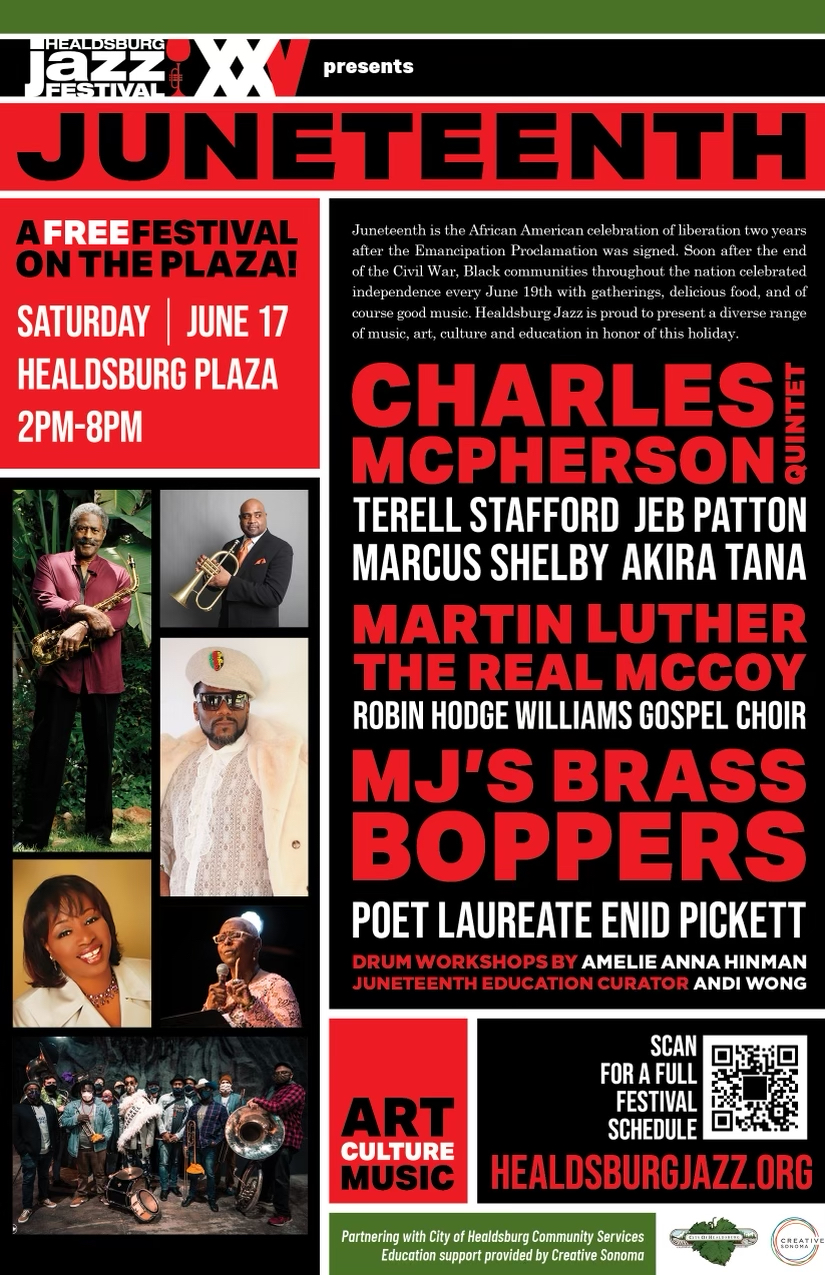
Saturday, JUNE 17, 2023, 2 pm – 8 pm,
Healdsburg Plaza, Healdsburg, CA
FREE TO THE PUBLIC
Healdsburg Jazz is proud to present a diverse range of music, art, culture and education in honor of the Juneteenth holiday, free to the public, in the Healdsburg Plaza.
The Healdsburg Jazz Juneteenth 2023 performances celebrate the wide range of Black music and art including gospel, early blues, New Orleans jazz, funk, R&B, spoken word, and straight-ahead modern swing.
EDUCATION AREA MUSIC & ART ACTIVITIES
We The Arts: Civic Engagement Through Art is an ArtsEd4All project taking place from June 17 – July 4, 2023, in celebration of Civic Season 2023.

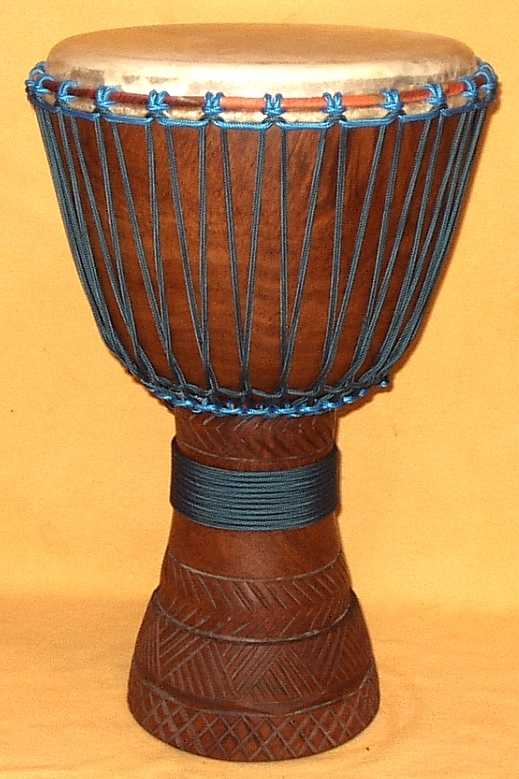
NEW! – Drumming Workshop
2 sessions on Saturday, June 17th at 2:30 pm-3:00 pm and 4:30 pm-5:00 pm.
This drumming workshop led by teaching artist Amelie Anna Hinman, welcomes people to learn more about the origins of different types of drums. All ages and abilities are welcome to play them!
Join the drum circle or make your own shaker at the art table!
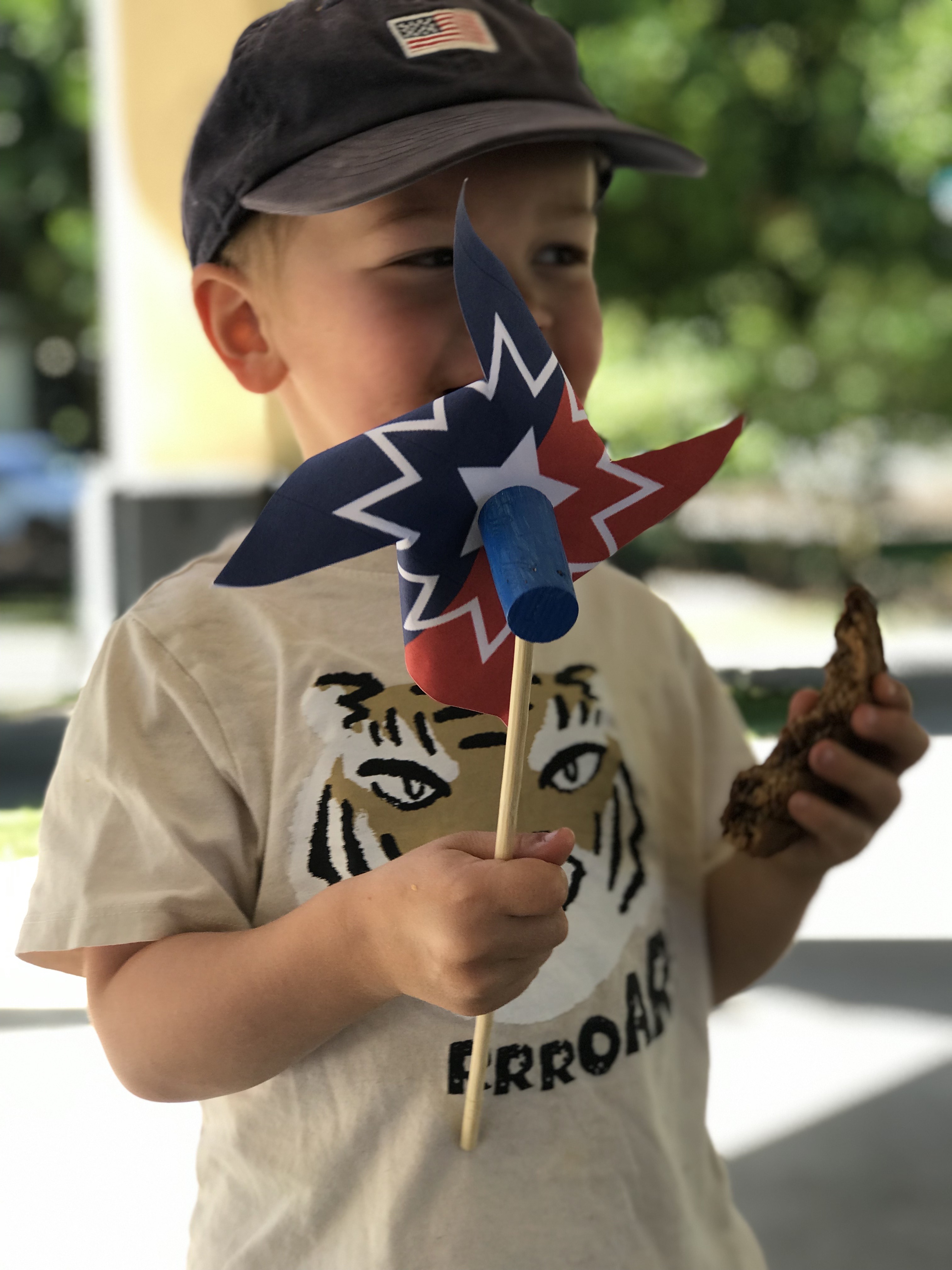
Pinwheels, Flags, Fans & Zines!
Stop by the education area to check out the special Healdsburg Jazz 25th Anniversary exhibit or celebrate Juneteenth by making your own pinwheel, flag or fan at the art table with teaching artist Andi Wong. Be sure to grab a copy of the special zine “Celebrating Past Present & Future with Black Music” highlighting 5 musical styles that Black artists have called upon throughout time in movements for social change.

Free Virtual Screening for Juneteenth: “The Right to Read”
In celebration of Juneteenth, access The Right to Read for one day online for a free virtual screening. The Right to Read will be available to watch online from 12:00AM ET to 11:59PM PT to anyone who registers. Viewers can access the film on the day by visiting www.therighttoreadfilm.org.


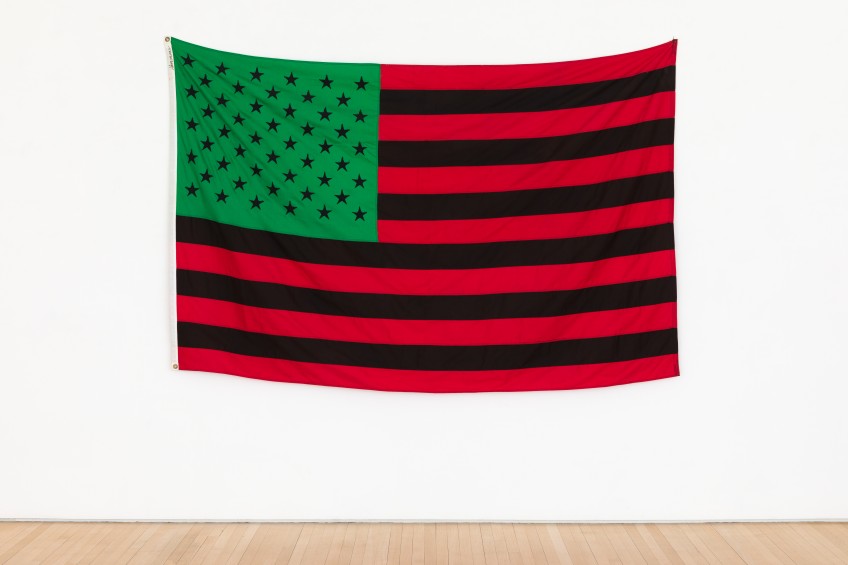
Flag Day is celebrated on June 14th.
While flags are everywhere and a part of daily life; most people don’t pause to unlock the rich history and ideas they represent. With North American Vexillological Association (NAVA) and the community of knowledge it builds, members say “open, sesame” to reveal the wealth of symbols and stories behind flags.
Flags first developed in China, with the advent of silk, and spread across Asia to the Middle East, where crusaders brought them to Europe. Beginning as markers on the battlefield, their use expanded to identification at sea, denoting who owned, taxed, and protected vessels. Eventually they became the ultimate icon representing nations, peoples, sub-national and civic entities, organizations, military units, companies, and individuals. Flag design began with heraldry, then spread its independent wings. Even before flags, “vexilloids” served as earlier symbols of group affiliation—tribes, armies, clans—and the Romans’ battle standard, the vexillum, gave its name to “vexillology”, the study of flags.
Good Flag, Bad Flag – This 16-page booklet, compiled from the expert input of over 20 different vexillologists world-wide, has become a classic resource for flag design.

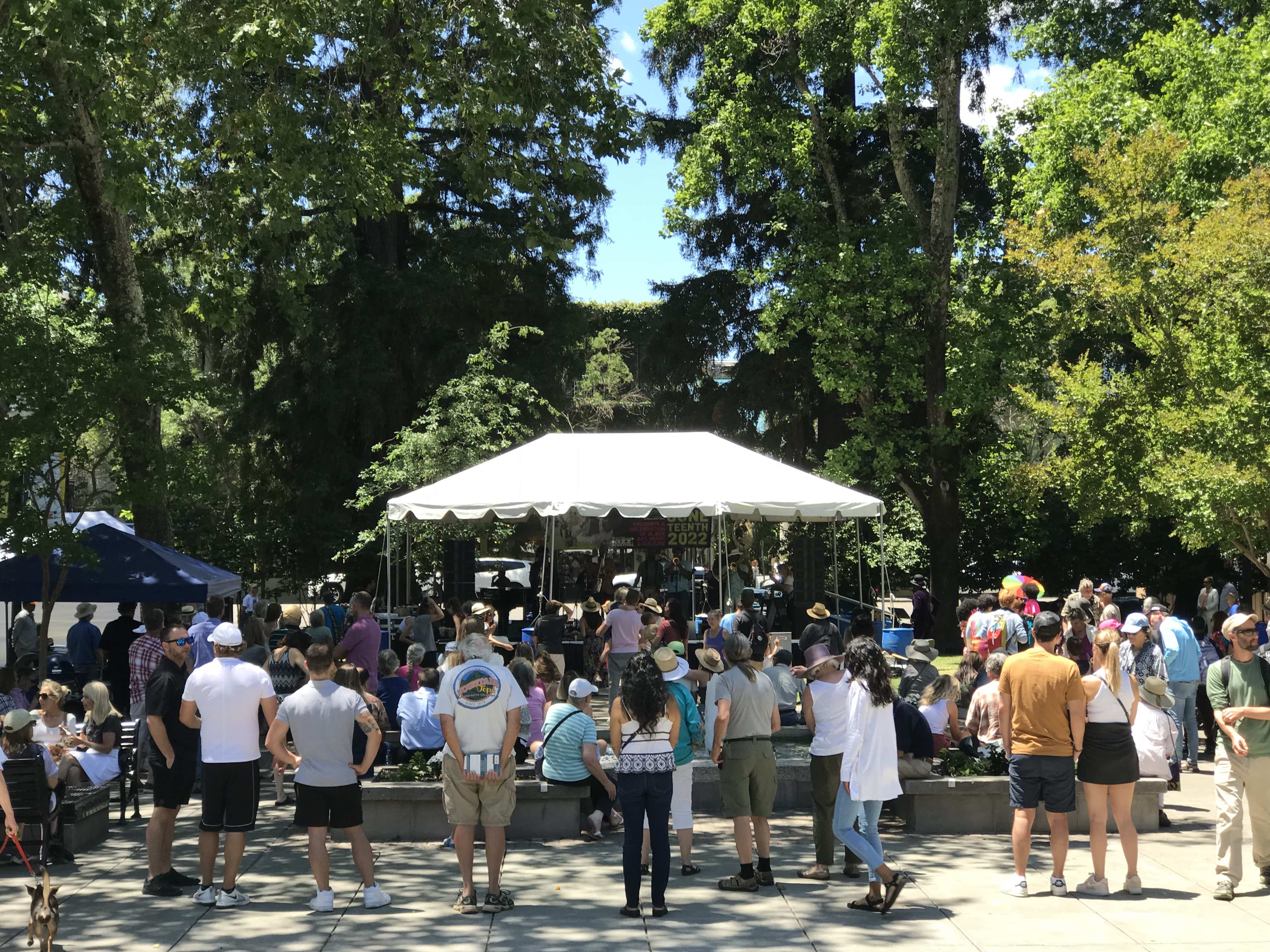
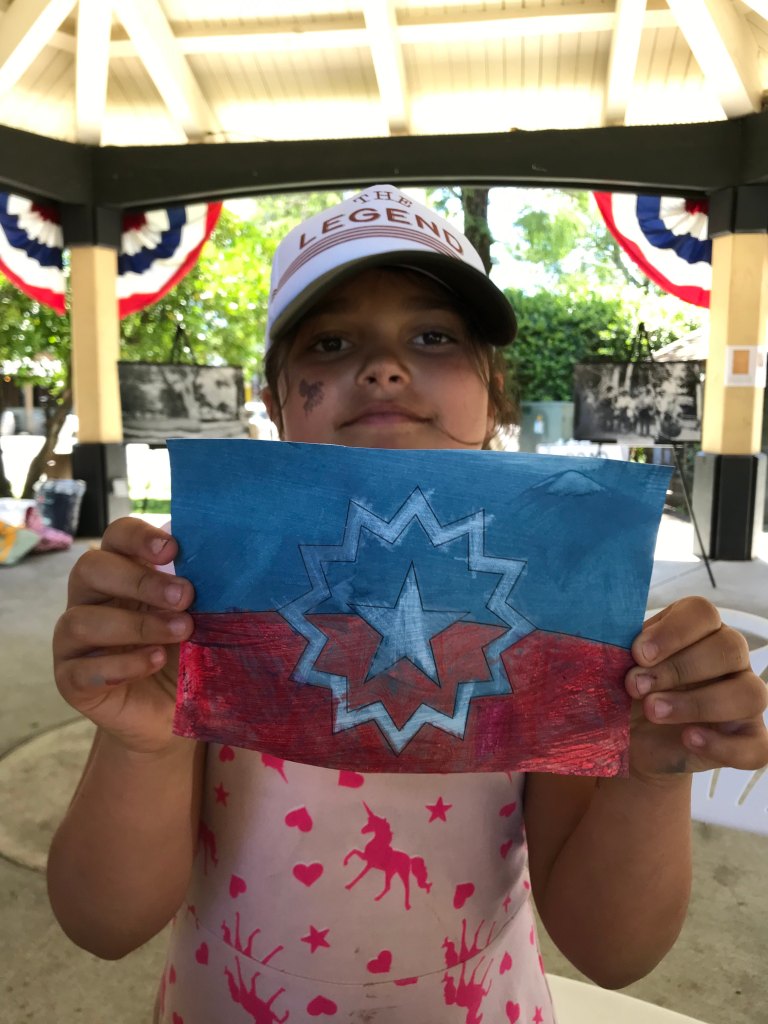


Civic Season 2022 — We The Arts: Civic Engagement Through Art
Healdsburg Jazz Festival 2022
Sunday, JUNE 19, 2022, 11 am – 4 pm,
Juneteenth 2022 Celebration in the Healdsburg Plaza featured Willie Jones III Quintet, MJ’s Brass Boppers, the Curtis Family C-notes, poets Enid Pickett and Kamau Daáood, KCSM’s Greg Bridges, educational areas, vendors and more. Presented in partnership with Healdsburg Community Services Department

A Choice of Weapons: Inspired by Gordon Parks explores the power of images in advancing racial, economic, and social equality as seen through the lens of Gordon Parks, one of America’s most trailblazing artists, and the generation of young photographers, filmmakers, and activists he inspired. This Juneteenth 2022 film screening was presented by ArtsEd4All, in conjunction with this year’s #CivicSeason (from Juneteenth to July 4th).
A Choice of Weapons: Inspired by Gordon Parks is a co-production of Kunhardt Films and HBO. Film for this screening provided by Kunhardt Film Foundation.
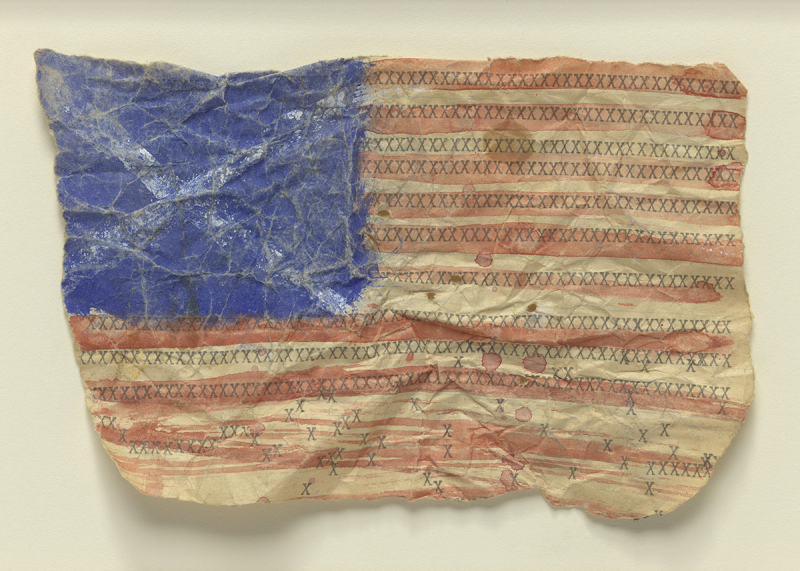
African American artists, including Faith Ringgold, Jean-Michel Basquiat, David Hammons and Gordon Parks have used the flag form in their art.
Juneteenth: A Celebration of Resilience
Juneteenth is a time to gather as a family, reflect on the past and look to the future. Discover ways to celebrate this African American cultural tradition of music, food and freedom.
Learn more about the historical legacy of Juneteenth and explore more objects related to emancipation in the National Museum of African American History & Culture’s collections. https://nmaahc.si.edu/juneteenth
The Emancipation Proclamation

Transcript of the Proclamation, January 1, 1863. By the President of the United States of America. https://www.archives.gov/exhibits/featured-documents/emancipation-proclamation/transcript.html
‘What To The Slave Is The Fourth Of July?’: Descendants Read Frederick Douglass’ Speech | NPR
In the summer of 2020, the U.S. commemorated Independence Day amid nationwide protests for racial justice and systemic reforms in the wake of George Floyd’s death. That June, we asked five young descendants of Frederick Douglass to read and respond to excerpts of his famous speech, “What to the Slave is the Fourth of July?”. It’s a powerful, historical text that reminds us of the ongoing work of liberation.
FEATURING (alphabetically) Douglass Washington Morris II, 20 (he/him) Isidore Dharma Douglass Skinner, 15 (they/their) Zoë Douglass Skinner, 12 (she/her) Alexa Anne Watson, 19 (she/her) Haley Rose Watson, 17 (she/her)
A text version of the full speech is available here.



 ArtsEd4All